
Struggling to Sleep? Restore Natural Rest with Traditional Chinese Medicine
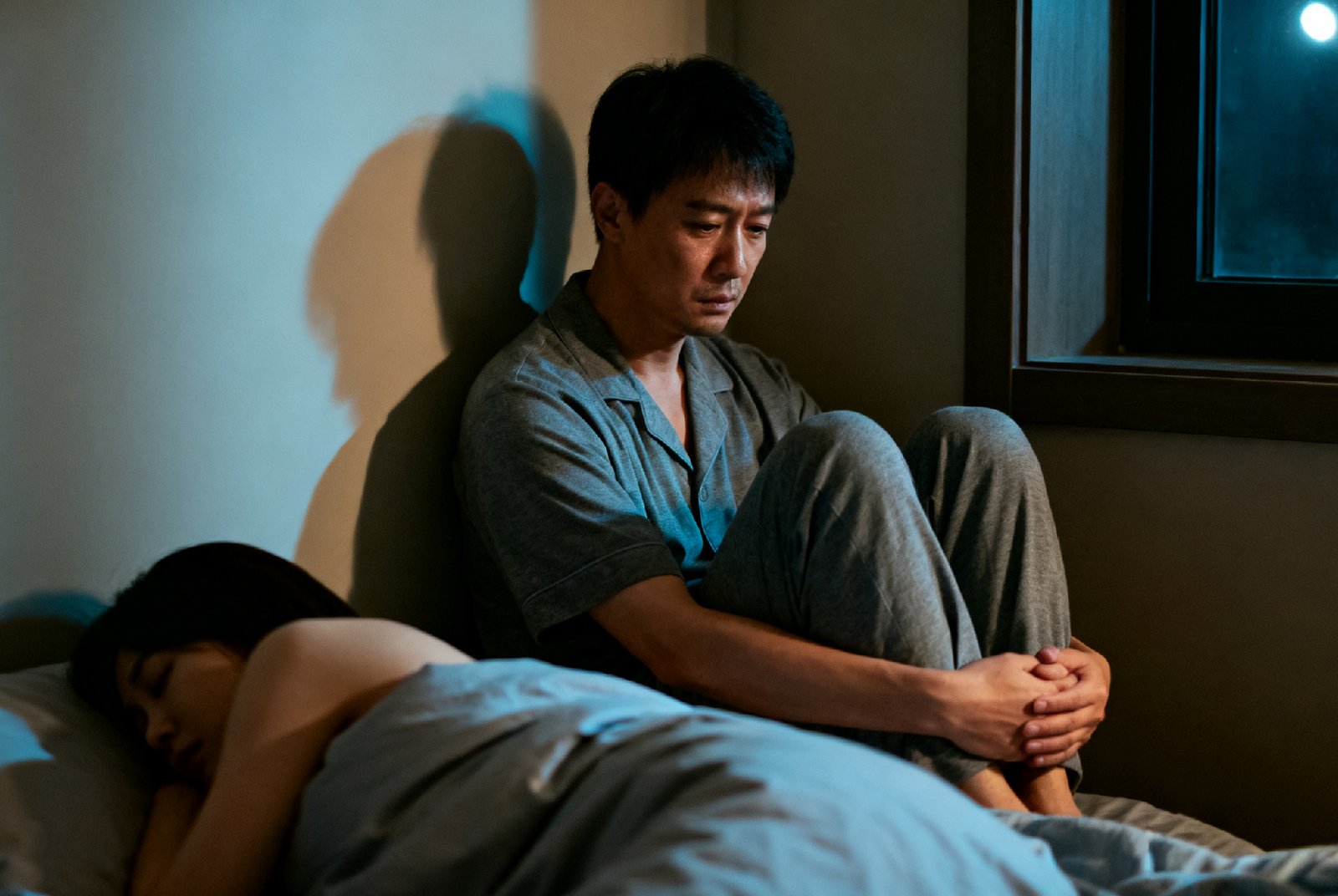
How Chinese Medicine Approaches Insomnia
In Traditional Chinese Medicine (TCM), insomnia is viewed as a sign that the body’s natural balance has been disrupted. Instead of treating insomnia as a single condition, TCM identifies the underlying pattern contributing to poor sleep and tailors treatment accordingly.
Several key organ systems affect sleep quality in TCM:
- Heart: Poor-quality sleep, difficulty falling asleep, frequent dreams, or waking during the night may indicate that the heart is not receiving adequate nourishment.
- Liver: Regulates the smooth flow of energy. Prolonged stress leads to stagnant liver energy, keeping your mind active at night.
- Kidney: A weakened kidney system may contribute to restless sleep, night waking, or feeling tired despite spending enough time in bed.
- Spleen: Weakness in this system is often associated with excessive thinking, light sleep, early waking, and daytime fatigue.
Understanding Insomnia in Chinese Medicine
In TCM, insomnia is categorised by pattern, not severity alone. Your practitioner will identify which pattern is contributing to your sleep concern before any treatment begins. Common patterns include:
- Heart Blood and Yin Deficiency: Difficulty falling asleep, vivid or disturbing dreams, anxiety, heart palpitations, and restlessness at night. This pattern frequently affects individuals who are chronically overworked, blood-deficient, or under sustained emotional pressure.
- Liver Qi Stagnation and Liver Fire: Difficulty falling asleep with racing thoughts, frustration, or an inability to switch off mentally. Sleep is easily disrupted. Most commonly linked to prolonged stress, suppressed emotions, or an irregular daily routine. It may also present with irritability, headaches, and a bitter taste in the mouth.
- Heart and Kidney Disharmony: Difficulty staying asleep, frequent night waking, night sweats, and restlessness that worsens in the early morning hours. We often see this pattern in individuals who are chronically fatigued, under prolonged stress, or in later stages of life.
- Spleen and Heart Blood Deficiency: Early morning waking with difficulty returning to sleep, excessive worry or overthinking before bed, low energy on waking, and poor appetite. This pattern frequently affects individuals with digestive weakness or demanding mental workloads.
- Stomach Disharmony: Difficulty sleeping after meals, abdominal fullness or discomfort that disrupts rest, and a feeling of heat or heaviness in the abdomen at night. In TCM, digestive disharmony is directly linked to poor sleep quality.
TCM Treatments for Insomnia at Xi TCM Centre
Treatment is always tailored to your individual TCM pattern. Common approaches include the following:
Acupuncture
Acupuncture uses ultra-fine sterile needles placed at specific points on the body to help calm an overactive mind, ease physical tension, and support the body’s natural sleep cycle. It may support improvements in sleep onset, duration, and overall sleep quality.
Chinese Herbal Medicine
Chinese herbs for sleep such as Suan Zao Ren (Jujube Seed) are commonly used to support the body’s calming and restorative systems, particularly for those experiencing anxiety, restlessness, or difficulty winding down at night.
Dietary and Lifestyle Guidance
Your practitioner will provide personalised food and lifestyle recommendations to support sleep recovery between sessions. Guidance may include foods suited to your TCM constitution, simple adjustments to your evening routine, and stress management practices aligned with your daily life. Practical support between sessions helps extend the benefits of your in-centre treatment.
Benefits of TCM for Insomnia and Sleep Disorders
Clients who undergo TCM treatment for insomnia at Xi TCM Centre commonly experience the following improvements.
Promotes Deep and Continuous Rest
Acupuncture helps calm an overactive mind. TCM insomnia treatments target the underlying cause of frequent night waking by addressing the internal pattern driving the disruption. As internal balance is restored, sleep often becomes more consistent and uninterrupted through the night.
Relieves Stress and Calms the Nervous System
Chronic stress keeps the mind active long after the body needs rest. Targeted acupoints activate the parasympathetic nervous system to encourage deep physical and mental relaxation.
Natural Support with Chinese Herbs for Sleep
Customised herbal formulas support the body’s natural sleep mechanisms from within. Each prescription is based on your individual TCM pattern and targets the organ systems responsible for rest and mental calm. Chinese herbs for sleep work gently and do not cause morning grogginess or dependency.
Enhances Daytime Energy and Focus
Quality rest directly supports physical energy and mental clarity during the day. TCM for sleep disorders focuses on restoring the body’s internal reserves, so clients wake feeling more refreshed and grounded. Improved sleep quality also supports mood stability and better function throughout daily life.
Supports Women's Wellness and Body Readiness
Restful sleep supports pre-conception wellness and family planning readiness. Poor sleep can affect hormone regulation and the body’s ability to build the energy reserves needed for reproductive health. Many women explore Chinese medicine for sleep as a natural way to support their body alongside their fertility clinic treatment.
Why Choose Xi TCM Centre for TCM Insomnia Treatment in Malaysia
Personalised TCM Assessment
Every client begins with a full TCM assessment to identify the specific pattern behind their sleep concern before any treatment starts.
Licensed TCM Acupuncture Practitioners with Clinical Experience
All treatments are performed by Ministry of Health (MOH) registered TCM Practitioners with formal medical training and years of clinical experience.
Safe and Trusted TCM Practice
We use sterile, single-use needles and personalised herbal prescriptions. All prescriptions are reviewed and adjusted at every visit in line with MOH safety standards.
Trusted by Patients Across Malaysia
Over 13 years of authentic TCM practice, with 45,000+ patients served across 3 branch locations, including Damansara Heights (DC Mall), Petaling Jaya, and 1 Mont Kiara
Start Your Journey to Better Sleep with Xi TCM Centre
Our sleep treatments offer a natural approach to restoring your rest, personalised to your unique constitution and rooted in authentic TCM practice. Take the first step toward better sleep and book your consultation today.
FAQs about TCM for Insomnia in Malaysia
How does traditional Chinese medicine help with insomnia?
Traditional Chinese medicine helps with insomnia by addressing the root internal imbalances causing your sleep disruption. Practitioners use acupuncture and herbal medicine to calm the nervous system, regulate organ function, and settle the mind. Two people with similar sleep complaints may receive different treatment plans based on their individual constitution and underlying pattern.
Can acupuncture help with insomnia and sleep disorders?
Yes, acupuncture is widely used and well-supported TCM treatment for insomnia and sleep disorders. It works by calming the nervous system, regulating the body’s stress response, and restoring balance between the organ systems involved in sleep. Specific acupoints are used to calm the mind and address the root pattern causing the sleep disruption.
How many TCM sessions are needed to improve sleep?
Some clients notice improved sleep quality within the first few sessions, particularly for mild or stress-related insomnia. For more deep-rooted sleep patterns, an initial course of 6 to 10 sessions is generally recommended. Chronic insomnia linked to long-standing internal imbalances may require a longer treatment period. Your practitioner will assess progress at each visit and adjust the treatment plan as your sleep condition improves.
Can TCM herbs and acupuncture be used alongside sleep medication?
Yes. TCM and conventional sleep medication can be used together, and many clients seek TCM support specifically to address the root pattern driving poor sleep over the longer term. It is important to inform your practitioner of all medications you are currently taking before treatment begins so the plan can be safely coordinated. Your TCM practitioner will take your existing medication into account and plan accordingly.
Is TCM treatment for insomnia safe?
Yes. At Xi TCM Centre, all treatments are performed by KKM-registered TCM practitioners using sterile, single-use needles and following MOH hygiene and safety standards. Herbal prescriptions are personalised and reviewed at each visit. Clients who are pregnant, currently taking medication, or managing a diagnosed medical condition should disclose this at their first assessment so the treatment plan can be appropriately tailored.
What Chinese herbs are commonly used for insomnia?
Herbal medicine is a key part of traditional Chinese medicine insomnia treatment. Formulas are prescribed based on your individual TCM pattern, not as a general sleep supplement. Suan Zao Ren (sour jujube seed) is one of the most frequently used Chinese herbs for sleep, commonly featured in formulas for patterns involving anxiety, restlessness, and difficulty falling asleep. Other herbs such as Fu Ling (Poria) and Bai Zi Ren (biota seed) may also be included depending on your specific pattern.
What is the TCM insomnia treatment price in Malaysia?
At Xi TCM Centre, pricing depends on the treatment approach recommended at your assessment, whether acupuncture, herbal medicine, or a combination is most appropriate. Please contact us or visit any of our branches across Klang Valley for current pricing details.